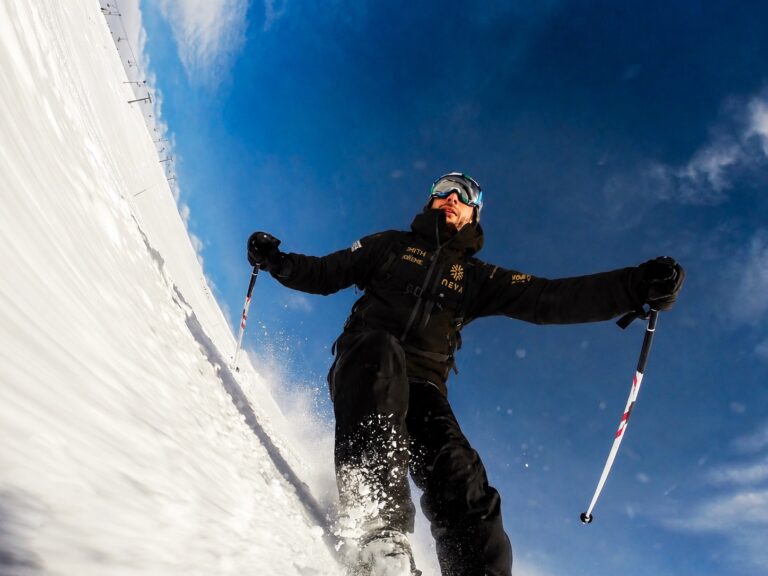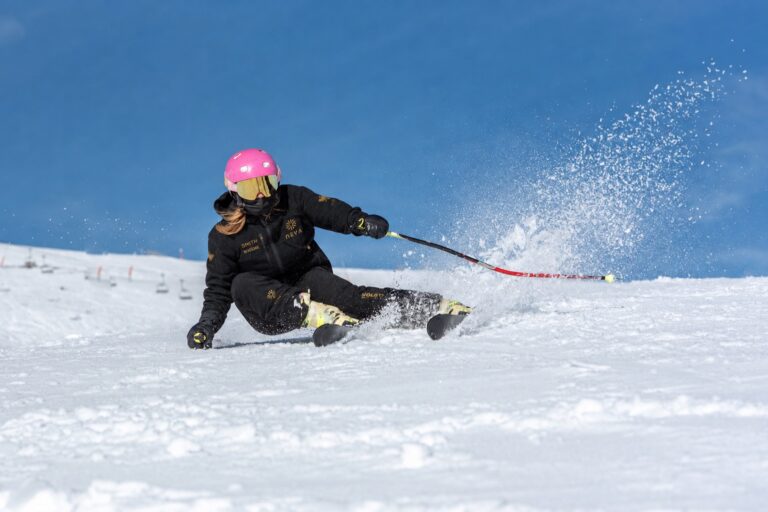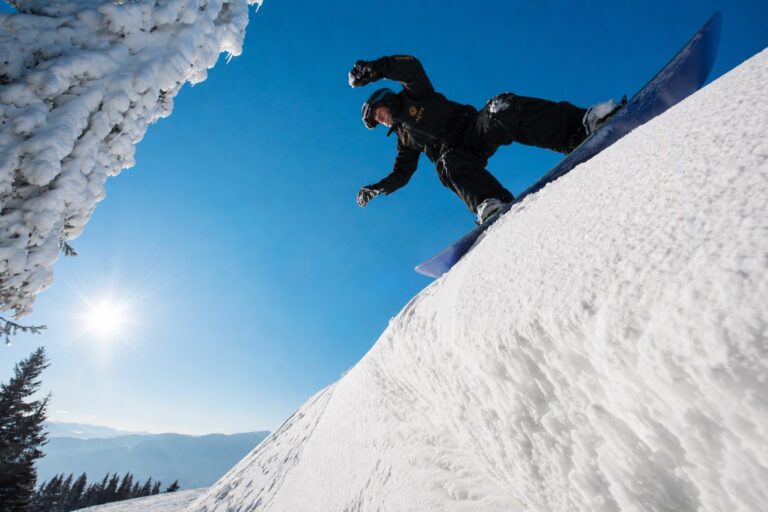
Untouched snow, silence, lines no one has carved before. Off-piste skiing in Val d’Isère is an experience like no other, and our expert instructors are here to take you there safely.


The discipline
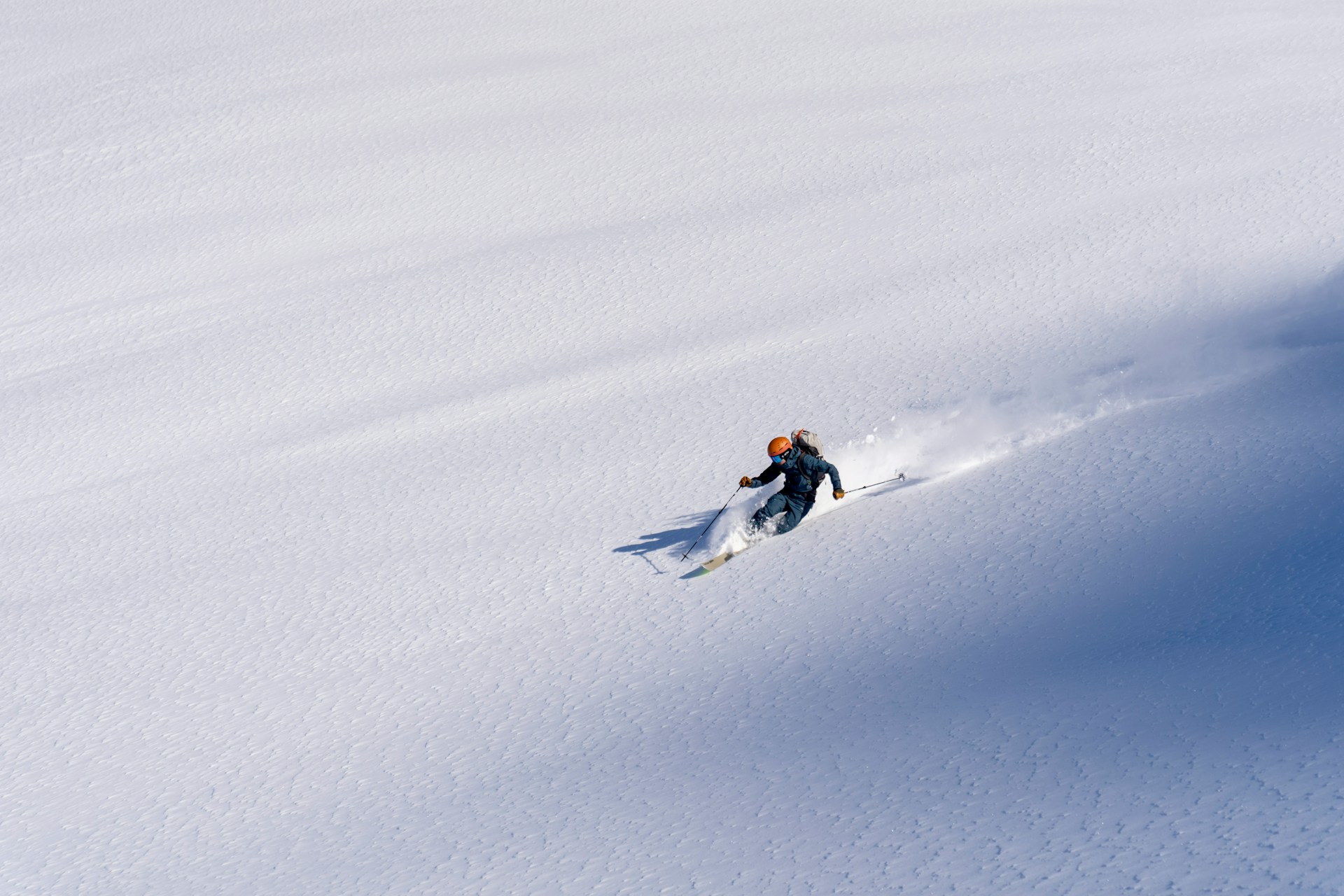
Off-piste skiing means riding outside the marked and groomed pistes of the resort, on natural untouched snow left raw by the mountain. It offers unique sensations, the feeling of carving your own lines through a wild landscape, far from the busy lifts. But it requires real technical mastery, an understanding of snow conditions, and specific safety equipment.
For skiers who are confident on all red runs and would like to try off-piste skiing in a gradual and safe environment.
For skiers who already have some off-piste experience and are able to ski on different types of snow and along various routes.
For experienced skiers who are technically proficient and wish to tackle more challenging routes: couloirs, large slopes, deep snow or complex terrain.
Freeride or all-mountain skis, depending on snow conditions
Avalanche transceiver, shovel and probe are compulsory (equipment provided free of charge by NEVA for all off-piste trips)
An airbag rucksack is compulsory for NEVA trips (provided free of charge by us)
A helmet is recommended, as are suitable goggles
A rucksack with water and a snack is recommended
Book your off-piste outing in Val d’Isère with an expert instructor who knows the Espace Killy inside out.
Discover more
Off-piste skiing refers to skiing outside the marked, groomed, and patrolled runs of the resort. You ski on natural snow, exposed to the conditions of the day and the real terrain. This practice offers unique sensations, but also exposes you to risks that marked pistes eliminate: avalanches, crevasses, hidden rocks, disorientation. It’s best practised with an instructor or a guide who knows the area perfectly.
Off-piste skiing refers to skiing outside marked pistes, which are generally accessible via ski lifts. Freeriding is a more athletic and challenging form of off-piste skiing, involving the pursuit of steeper slopes, more technical lines and thrills. Ski touring involves ascending on skis, using climbing skins attached to the underside of the skis, before descending off-piste. It allows access to areas further away from the ski lifts.
Yes, a confirmed level is the minimum. You should master parallel skiing on all red runs and ideally black runs, control your speed in all conditions, and adapt your technique to varied snow types. Without these foundations, off-piste becomes dangerous for you and for others.
The avalanche transceiver, shovel and probe are compulsory for all off-piste excursions. The avalanche transceiver is a two-way radio that must be worn on your person at all times. The shovel is used to quickly dig out a person who has been buried, whilst the probe enables you to locate them precisely. At NEVA, this safety equipment is provided free of charge if you do not have your own. An airbag rucksack is also compulsory for NEVA trips and is provided free of charge by us. A helmet is recommended, and we always check that all equipment is in good working order before setting off.
The Espace Killy is full of legendary spots. The Fornet and Col de l’Iseran sectors offer long and varied descents. The Face du Charvet is a reference for freeriders. The Pissaillas glacier offers high-altitude off-piste skiing until late in the season. And the Bellevarde sector gives access to technical couloirs. The choice is always made according to the conditions of the day and your level.
For your first outings, supervision by a qualified instructor or a guide is essential. If you plan to practise regularly on your own, follow proper safety training (avalanche transceiver course, avalanche awareness training) offered by ski schools and high mountain guides. We always direct our serious clients toward these complementary trainings.
Technically yes, but it’s not comfortable. Piste skis, narrow and stiff, are designed for groomed snow and sink in fresh powder. For off-piste, wider, more versatile skis are best (90 to 110 mm at the waist), which float through deep snow. Our shop offers specific packages with suitable equipment.
A typical off-piste outing lasts between 3 hours (half-day) and 7 hours (full day). The actual descent time represents only part of the programme, as you also need time to reach the off-piste areas, check equipment, study snow conditions, and take necessary breaks. Allow 4 hours for a truly coherent off-piste experience.